AboutBlogArticlesProjectsPublicationsExperienceTravelCV

Projects

A collection of my academic research, professional work, and personal projects spanning robotics, web development, and embedded systems.

Featured Work

LLM Fine-tuning & On-Device Inference Pipeline
LoRA fine-tuning and GGUF quantization pipeline for on-device LLM inference. Fine-tuned Llama 3.2 3B improved recall by +0.192 over the generic baseline at roughly half the latency.

End-to-end pipeline for fine-tuning a small LLM on structured JSON extraction tasks, then deploying the result on-device. Used LoRA adapters on Llama 3.2 3B via MLX (Apple Silicon) and evaluated across four artifacts: generic F16, generic Q4_K_M, fine-tuned F16, and fine-tuned Q4_K_M. The deployable artifact — fine-tuned Q4_K_M GGUF — achieved 0.961 recall and 100% JSON validity at 2.91s average latency on llama.cpp, compared to 0.780 recall and 6.65s for the generic F16 baseline. Quantization after fine-tuning cost only 0.011 recall while cutting latency in half. Evaluation ran on a 106-case held-out set with automated recall, JSON validity, and schema validity scoring.

PythonPyTorchLoRAllama.cppGGUFMLXJupyter
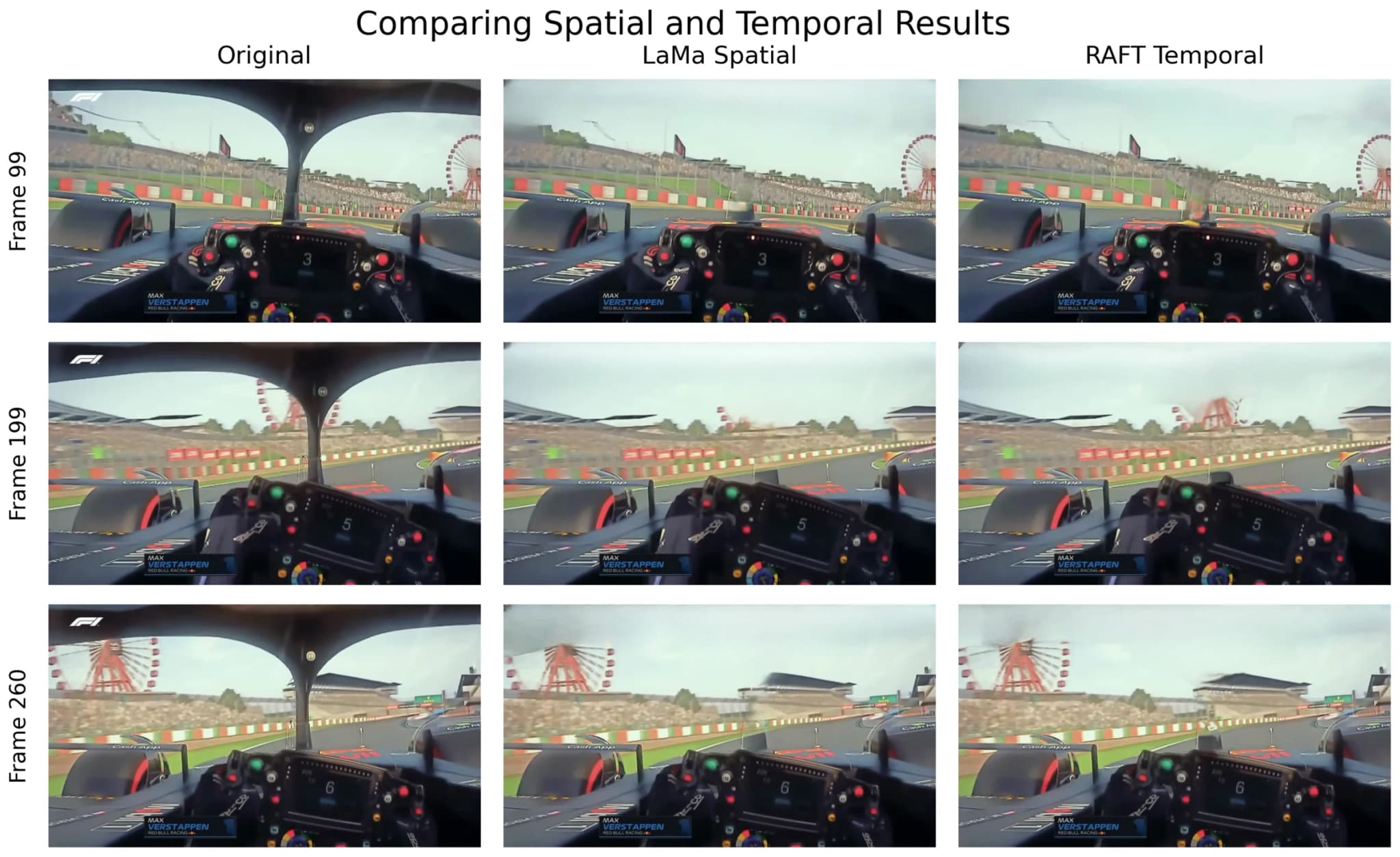
Side-by-side comparison of original F1 footage, LaMa spatial inpainting, and RAFT temporal inpainting across three frames
F1 Halo Removal via Video Inpainting
Removes the F1 Halo safety arch from onboard visor-cam footage using classical CV mask detection and neural inpainting. Final project for Image Processing and Analysis.

The Halo is a mandatory titanium arch on all F1 cars. It saves lives but cuts through the most interesting part of onboard footage. This project removes it cleanly from visor-cam video using two stages. Stage one: classical CV mask detection — Sobel-Y gradient detection for the arch edge, a robust probe-and-fit keel detector with outlier rejection and temporal jump guards, and explicit geometry construction to avoid over-masking. Stage two: two inpainting methods compared side by side — LaMa (Fast Fourier Convolution network, per-frame spatial inpainting) and RAFT optical flow with backward warp and distance-transform blending for temporal coherence across 300 frames at 60fps.

PythonOpenCVComputer VisionLaMaRAFTJupyterInpainting
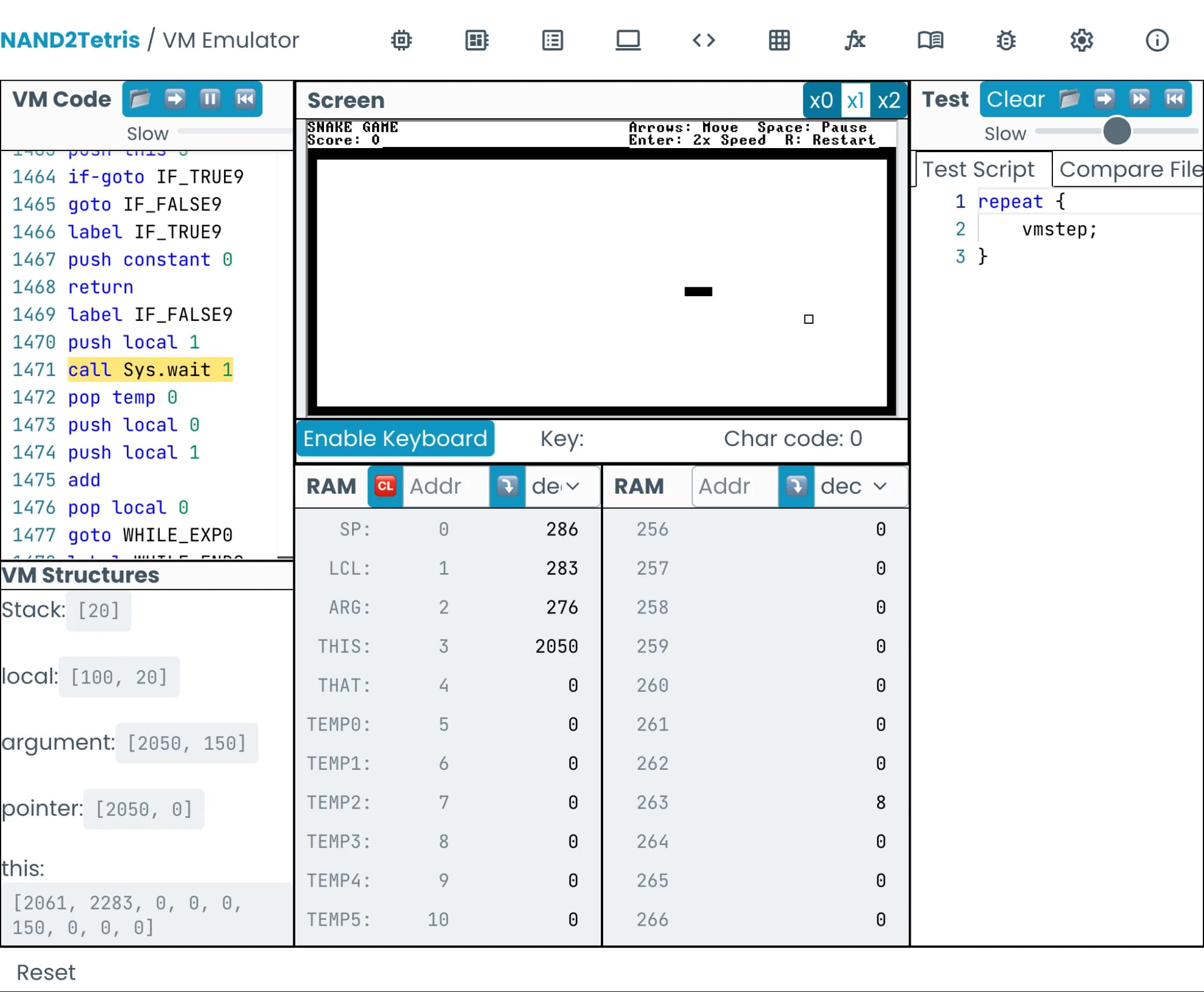
Diagram of the Hack Computer architecture
Nand2Tetris Implementation (ECEG 431)
A complete implementation of a general-purpose computer system, from NAND gates to a high-level object-oriented compiler.

Built a complete computer system from the ground up as part of the Nand2Tetris course (ECEG 431). Starting with a single NAND gate, I designed and simulated all hardware components including logic gates, ALU, RAM, and the CPU. On the software side, I developed an assembler, a virtual machine translator, and a compiler for a high-level object-oriented language, culminating in a fully functional Operating System. This project provided a deep, demystified understanding of how computers actually work under the hood.

SimulationCompilersPythonAssemblyVMOS
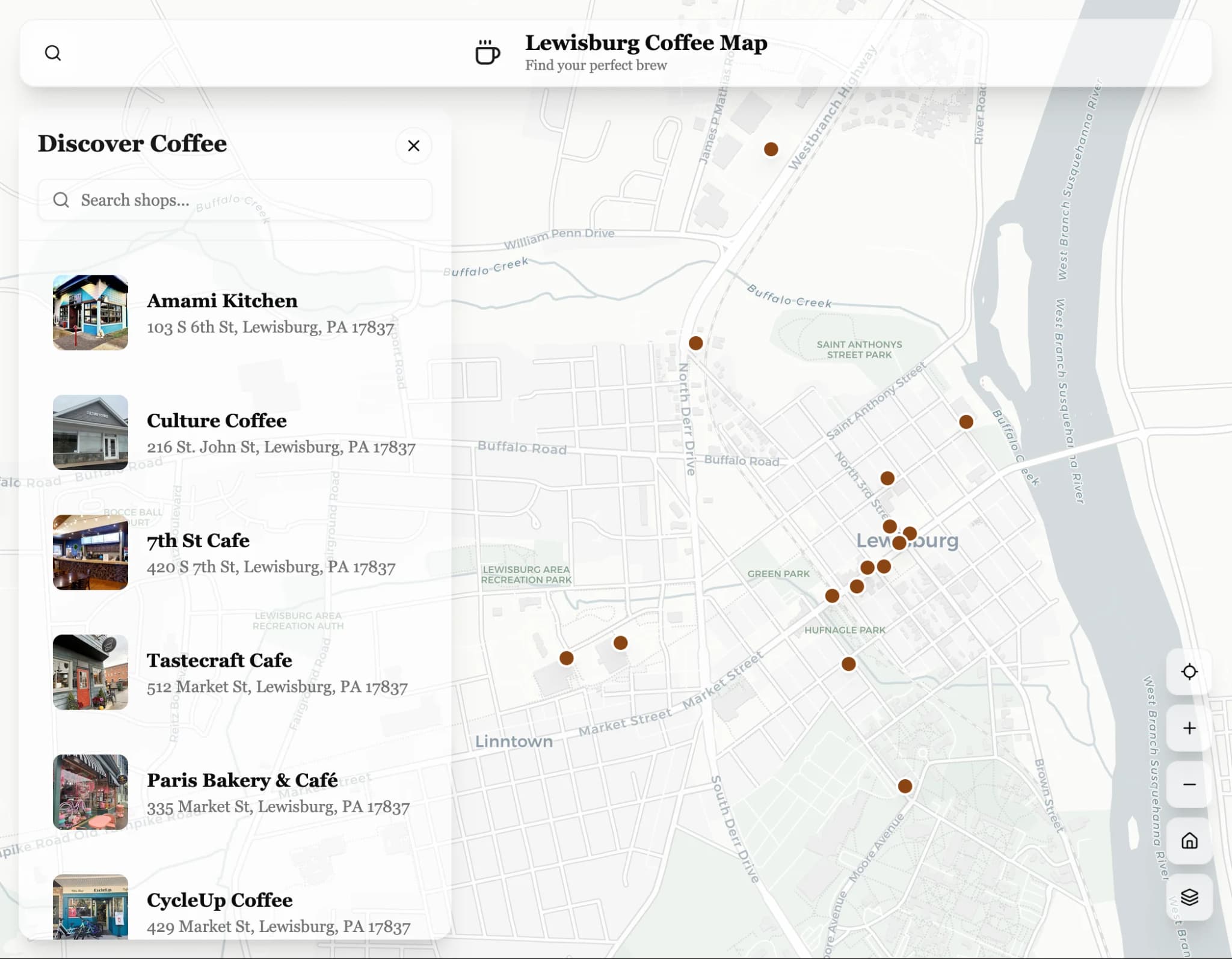
Screenshot of the Lewisburg, PA Coffee Map website
Lewisburg, PA Coffee Map
A website showing off the best coffee shops in Lewisburg, PA.

Aggregates coffee shop data from various sources and displays it in a user-friendly interface. Use it to find your next brew!

CoffeeLewisburg, PABucknell
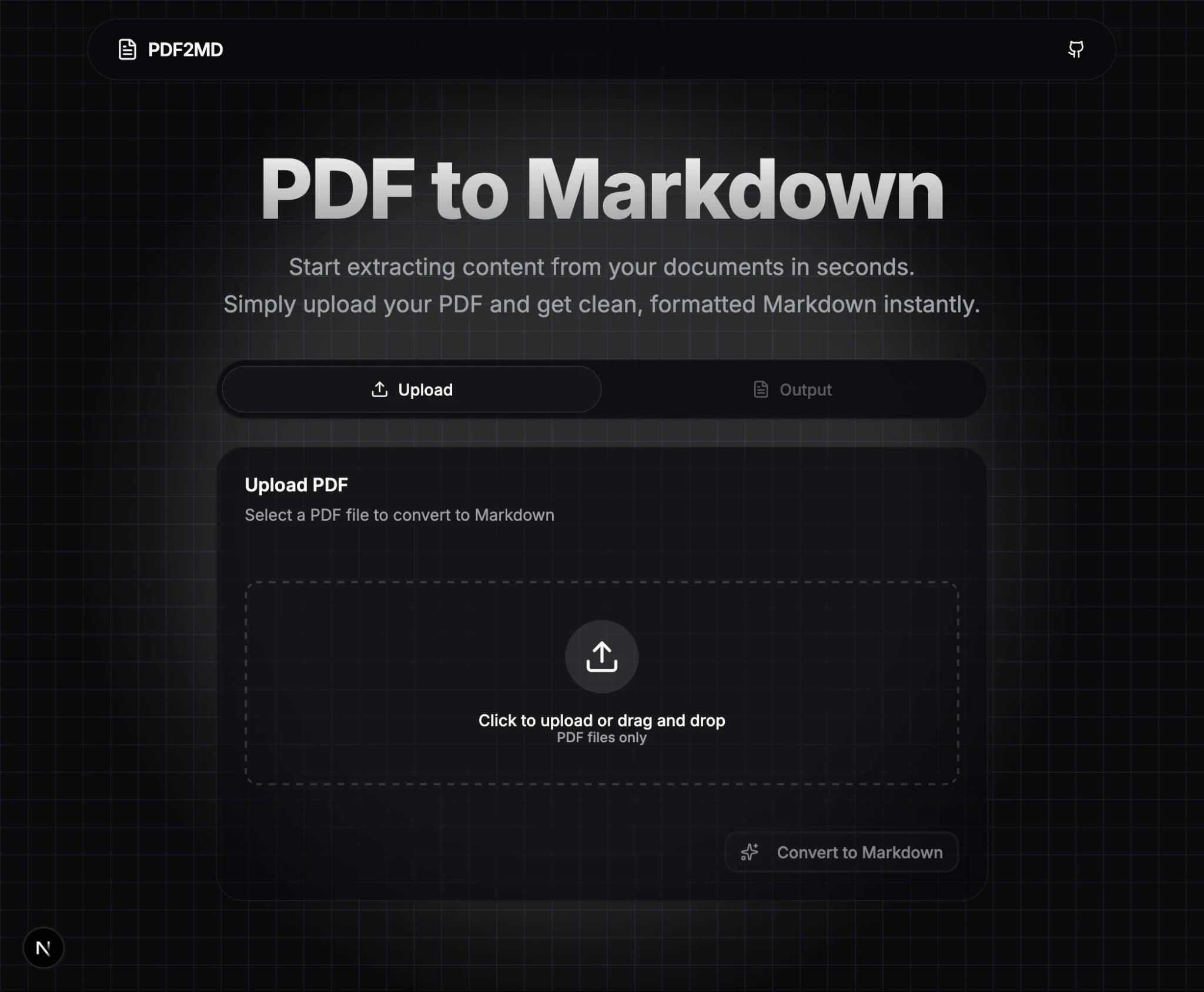
Screenshot of the PDF2MD website
PDF2MD
A web application that converts PDFs to Markdown files.

Uses OCR and PDF parsing to extract text and convert it to Markdown, for easy editing and formatting.

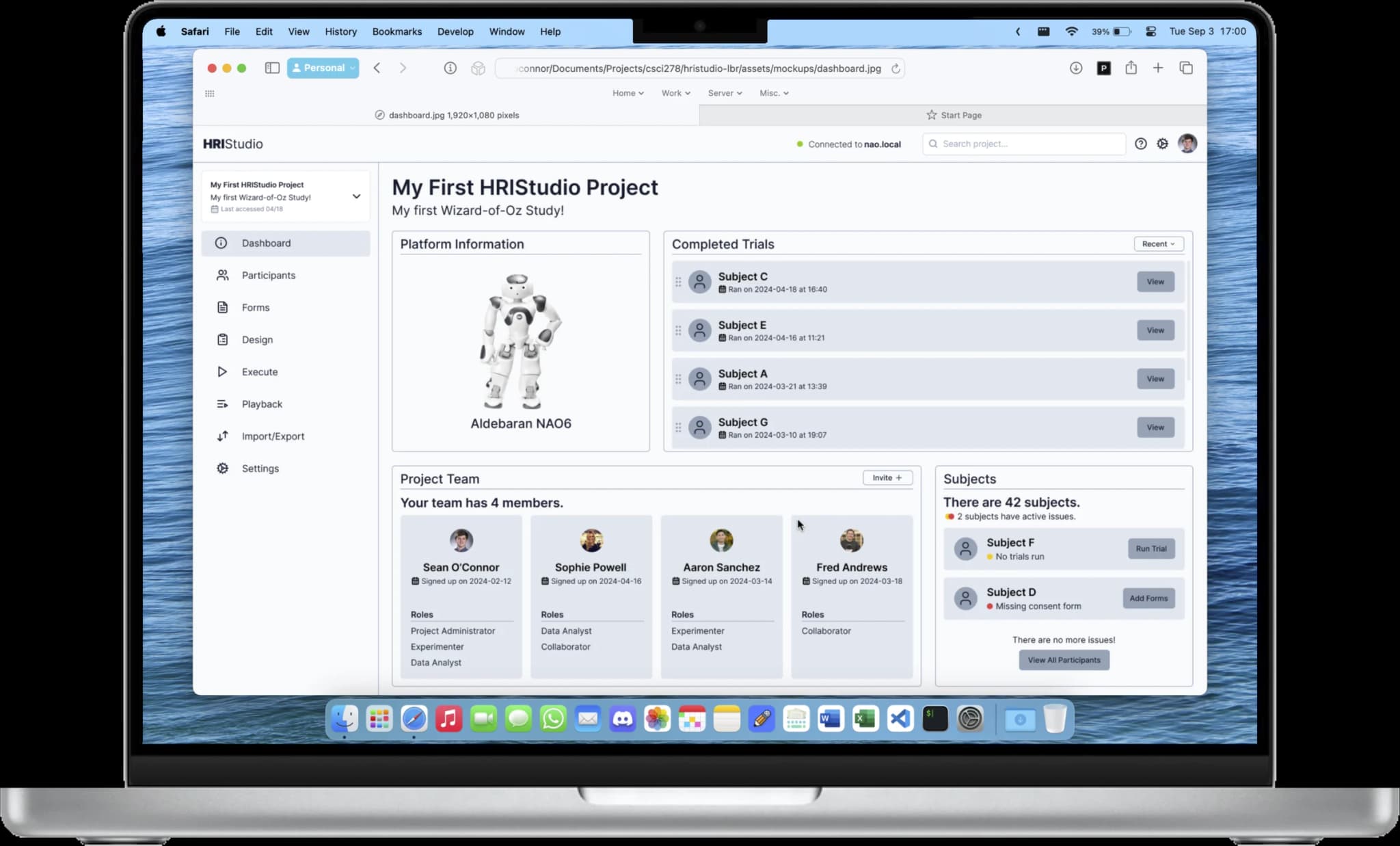
Screenshot of HRIStudio application showing the robot control dashboard on a laptop
HRIStudio
A modular web-based experimental platform for human-robot interaction studies using the Wizard of Oz experimental paradigm.

Architected full-stack web application for managing HRI experiments with real-time robot control interfaces. Implemented WebSocket-based bidirectional communication protocols for low-latency robot teleoperation. Designed RESTful API leveraging Robot Operating System with JSON-defined plugins for extensibility across multiple robot platforms. Created comprehensive logging system capturing interaction data, timestamps, and experimental conditions for reproducibility. Technologies: Next.js, React, TypeScript, Node.js, WebSockets, PostgreSQL, Docker.

ROS2ReactTypeScriptC++PythonWebSocketsNext.jsPostgreSQLDocker
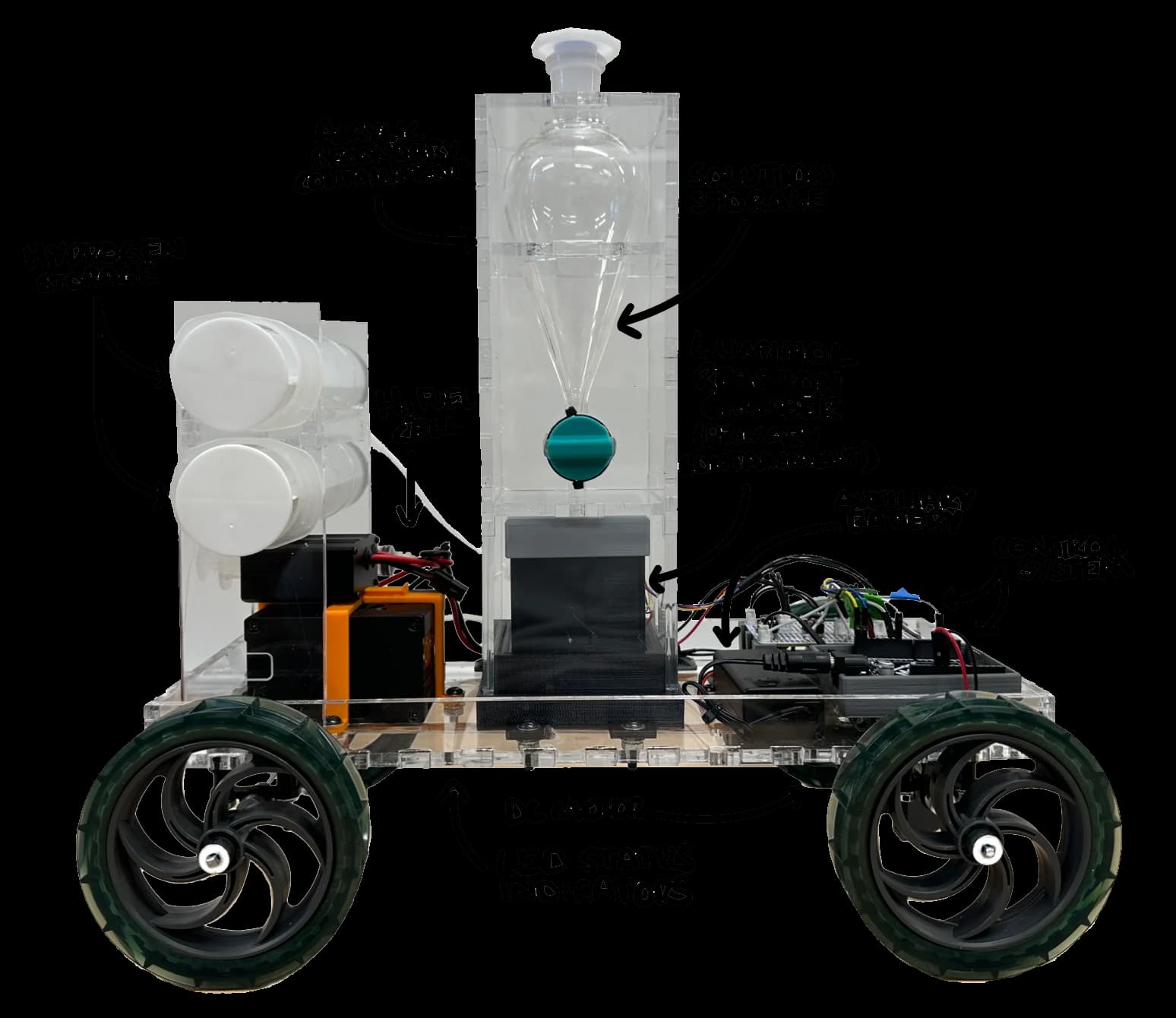
Photo of the Chem-E-Car with custom control system hardware visible, showing the microcontroller and sensor connections
Autonomous Vehicle Control System - Chem-E-Car Competition
Custom microcontroller-based control system for hydrogen fuel cell regulation and reaction monitoring.

Designed embedded control system for autonomous hydrogen fuel cell-powered vehicle using finite state machine architecture. Implemented real-time sensor fusion combining spectrometer readings and power monitoring with calculated stopping algorithms. Developed PlatformIO-based build system with hardware abstraction layer for testing and simulation. Achieved precise distance control (±10cm) through chemical reaction timing at AIChE National Competition. Technologies: C++, Arduino, PlatformIO, I2C/SPI protocols, finite state machines.

C++Embedded SystemsHardware DesignArduinoPlatformIOI2C/SPI
Formula One Performance Prediction Using Machine Learning
Machine learning project analyzing Formula One race data to predict lap times based on weather conditions and track characteristics.

Developed ensemble machine learning models (LightGBM, XGBoost, Random Forest) to predict F1 lap times with high accuracy. Engineered features from weather data, track characteristics, and historical performance using domain knowledge. Implemented cross-validation and hyperparameter optimization for model evaluation across multiple racing circuits. Analyzed feature importance to understand factors influencing racing performance. Technologies: Python, LightGBM, XGBoost, Random Forest, pandas, scikit-learn, FastF1 API.

PythonMachine LearningData ScienceLightGBMXGBoostRandom ForestFastF1Jupyter
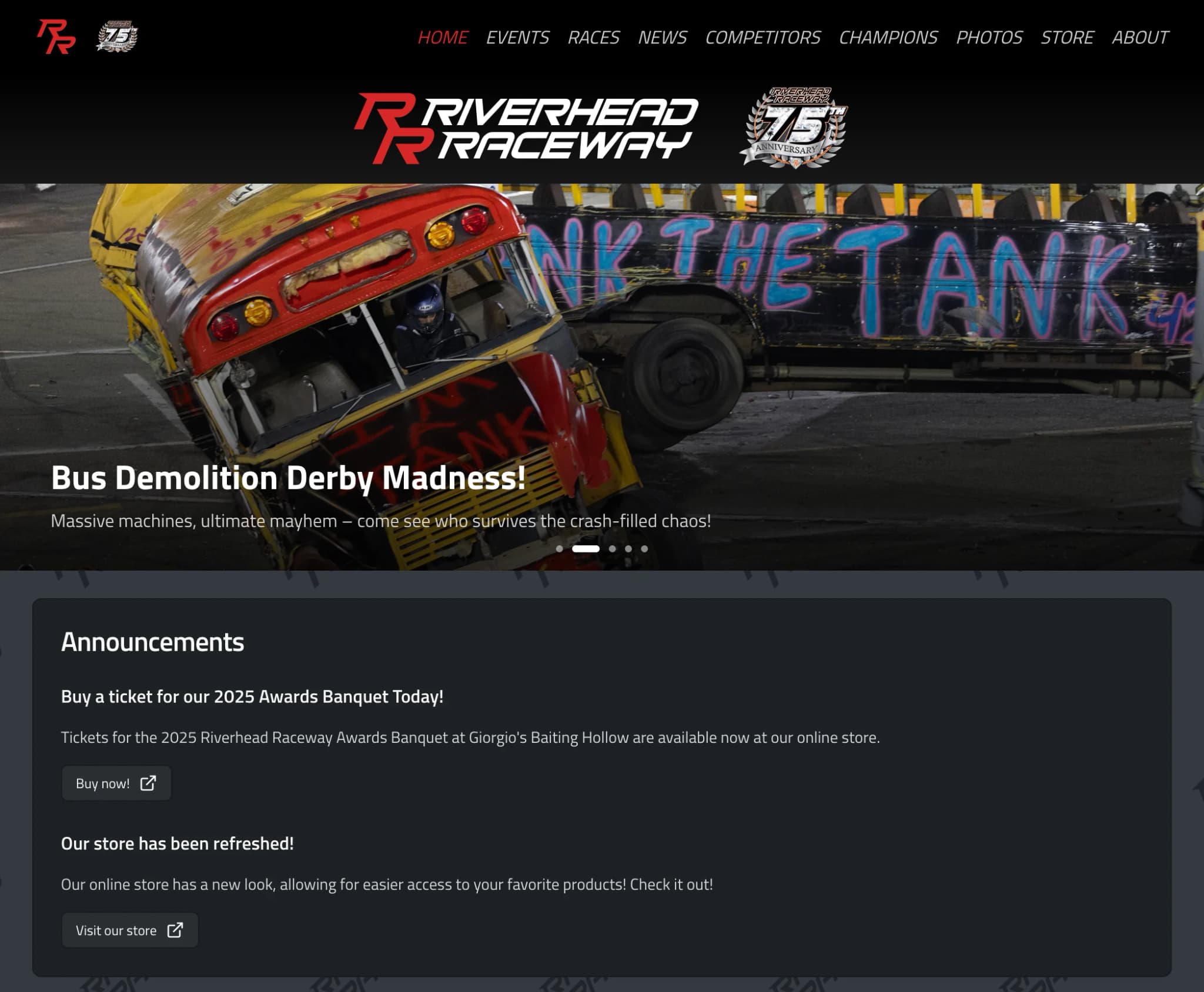
Screenshot of the RaceHub Next platform
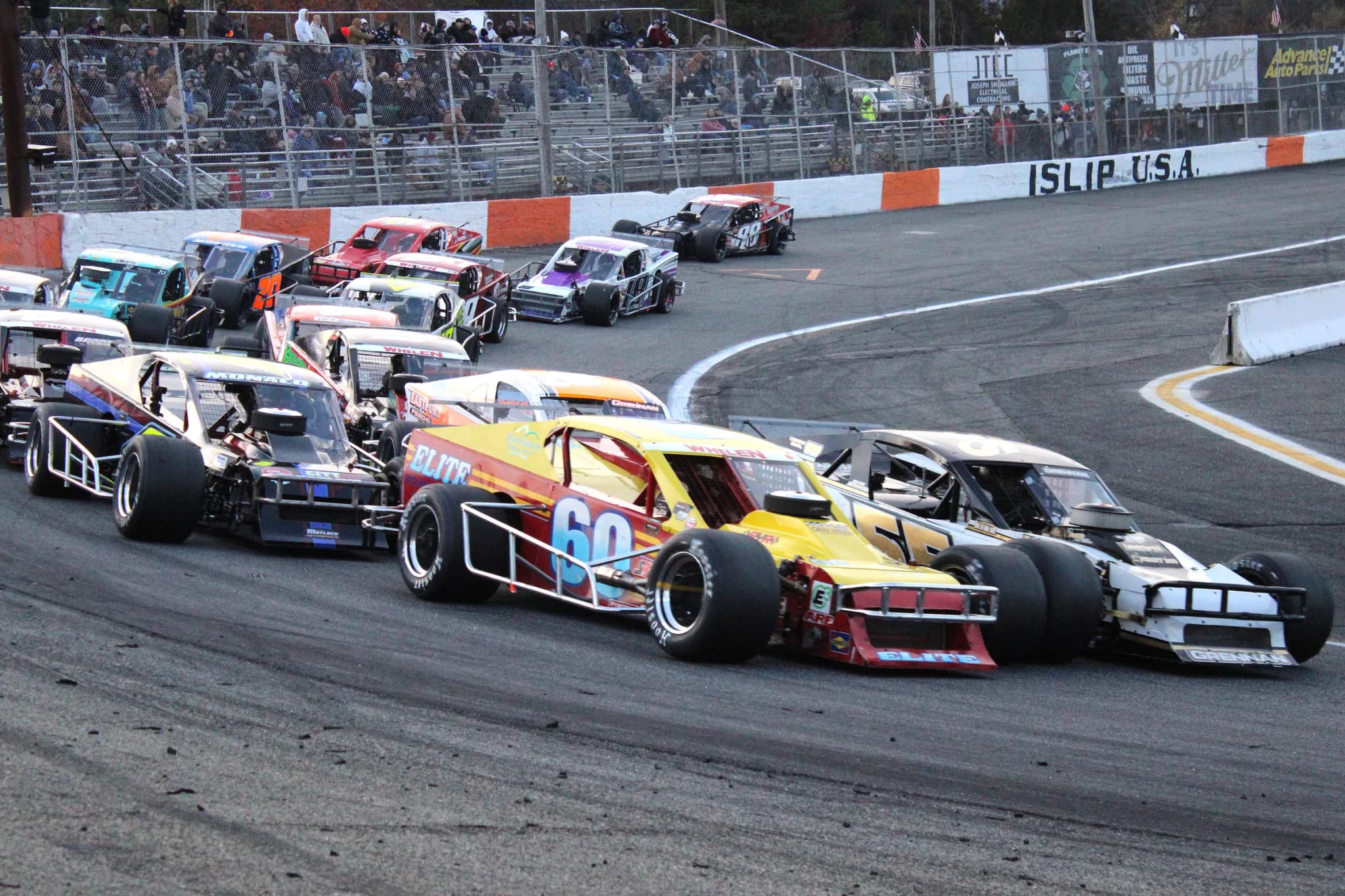
Real-time Racing Statistics Platform
A comprehensive web platform for Riverhead Raceway, a local motorsports track in New York, serving 1500+ concurrent users during race events.

Built production system serving 1500+ concurrent users and 250k+ monthly visitors. Implemented WebSocket-based real-time data streaming with automatic reconnection and state synchronization. Designed responsive UI with accessibility features meeting WCAG 2.1 AA standards. Optimized database queries reducing page load times by 60% through intelligent caching and indexing. Technologies: Next.js, TypeScript, PostgreSQL, Docker, DigitalOcean.

Next.jsTypeScriptPostgreSQLDrizzle ORMAuth.jsTailwind CSSWebSocketsDocker
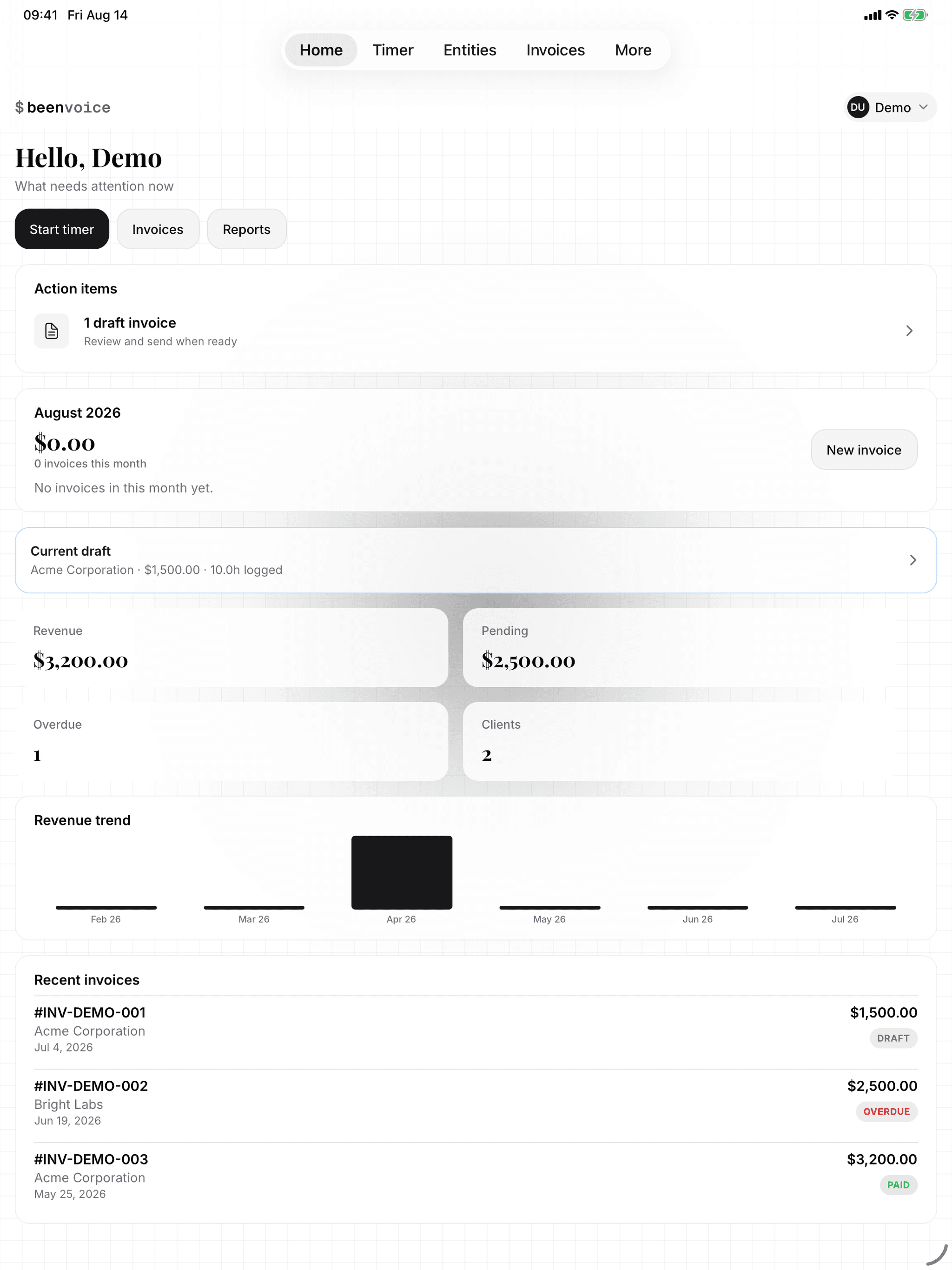
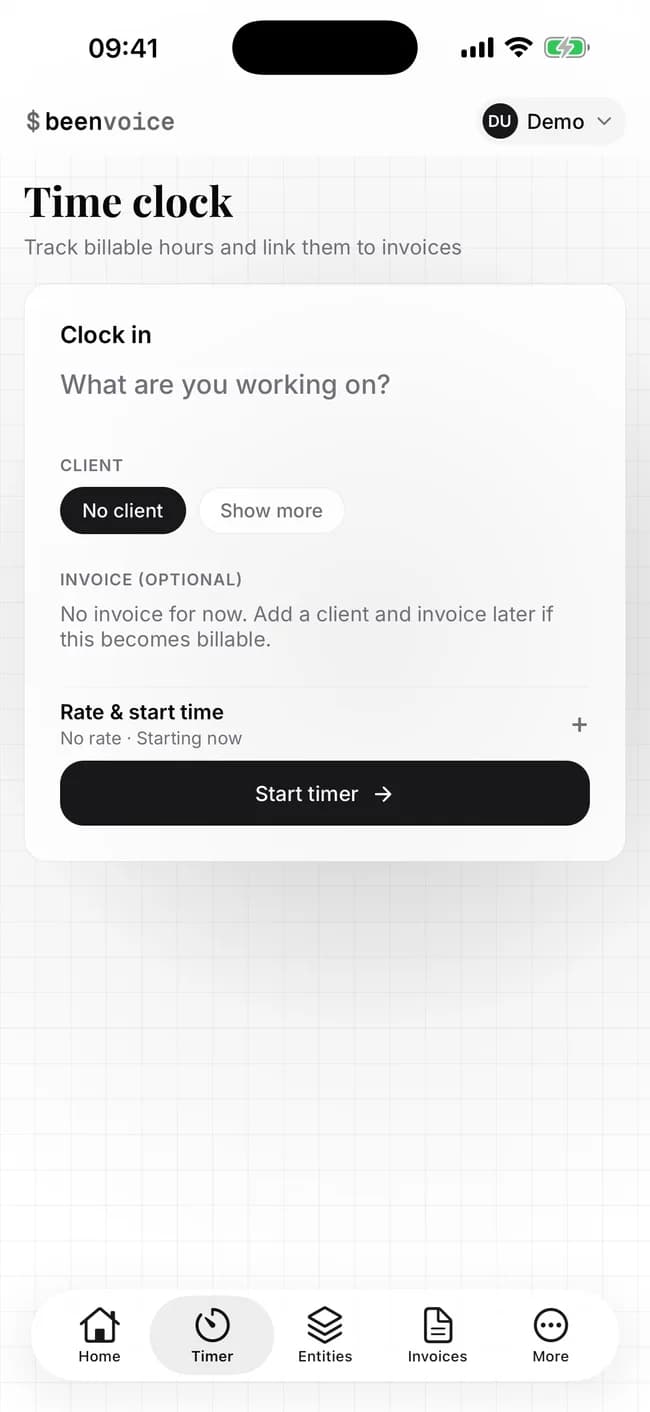
Screenshot of BeenVoice
BeenVoice - Professional Invoicing Platform
A comprehensive business invoicing application built with the T3 stack for reliable invoice and client management.

Developed a full-stack invoicing platform prioritizing reliability, security, and professional user experience. Features include multi-step invoice creation with flexible line items, automated PDF generation, client management with complete contact details, business profile management with branding support, and comprehensive status tracking (draft → sent → paid/overdue). The application implements proper authentication, input validation, and error handling throughout, with a mobile-first responsive design using shadcn/ui components.

Next.jsTypeScripttRPCDrizzle ORMNextAuth.jsLibSQLTailwind CSSshadcn/ui
Screenshot of Personal Website
Personal Website
Modern, responsive personal website built with Next.js and TailwindCSS.

Designed and developed a personal portfolio website using modern web technologies. Features include responsive design, dark mode support, PDF rendering for CV display, and a clean, professional interface for showcasing projects and experience.

Next.jsTypeScriptTailwindCSSReact
Accessibility Features
An overview of the accessibility features implemented on this website to ensure inclusive user experience.

This page details the importance of web accessibility and the specific features implemented on this website to ensure an inclusive experience for all users, including those with disabilities. It documents the accessibility practices, standards compliance, and testing methodologies used.

AccessibilityWCAGInclusive DesignWeb Standards
Decorative thumbnail showing the project title 'Getting Started with LaTeX'
LaTeX Introduction Tutorial
A 5-minute introduction to LaTeX document preparation system for academic and technical writing.

Created an accessible tutorial video explaining LaTeX, a typesetting system commonly used for technical and scientific documents in academia. The video covers how to set up Overleaf as an editor, explains key LaTeX tags and formatting, demonstrates both inline and display math equations, and provides a complete walkthrough of creating your first document with proper formatting.

LaTeXTutorialAccessibilityEducationOverleaf